Enhance Your Business Security with Integrated Systems

In today's fast-paced world, the security of your business is more critical than ever. With increasing threats from cyberattacks, theft, and vandalism, it is essential to adopt a comprehensive security strategy. One effective way to bolster your defenses is through integrated security systems. These systems combine various security measures into a cohesive framework, providing a robust solution to protect your assets.
Understanding Integrated Security Systems
Integrated security systems are designed to unify multiple security components into a single, manageable platform. This integration can include:
Surveillance cameras
Access control systems
Intrusion detection systems
Alarm systems
Cybersecurity measures
By combining these elements, businesses can monitor and manage their security more effectively, ensuring a swift response to any potential threats.
Benefits of Integrated Security Systems
Centralized Control
With an integrated system, all security components can be managed from a single interface. This centralization simplifies monitoring and response, allowing security personnel to act quickly in emergencies.
Enhanced Communication
Integrated systems facilitate better communication between different security components. For example, if a motion detector is triggered, it can automatically alert surveillance cameras to start recording, providing real-time evidence of any incidents.
Cost-Effectiveness
While the initial investment in an integrated system may be higher than standalone solutions, the long-term savings can be significant. Reduced labor costs, fewer security breaches, and lower insurance premiums can offset the initial expenses.
Scalability
As your business grows, your security needs may change. Integrated systems can be easily scaled to accommodate new technologies or additional locations, ensuring your security measures evolve with your business.
Improved Data Management
Integrated systems often come with advanced data analytics capabilities. This allows businesses to analyze security data over time, identifying trends and potential vulnerabilities that can be addressed proactively.
Key Components of Integrated Security Systems
To effectively enhance your business security, it is essential to understand the key components of integrated security systems.
Surveillance Cameras
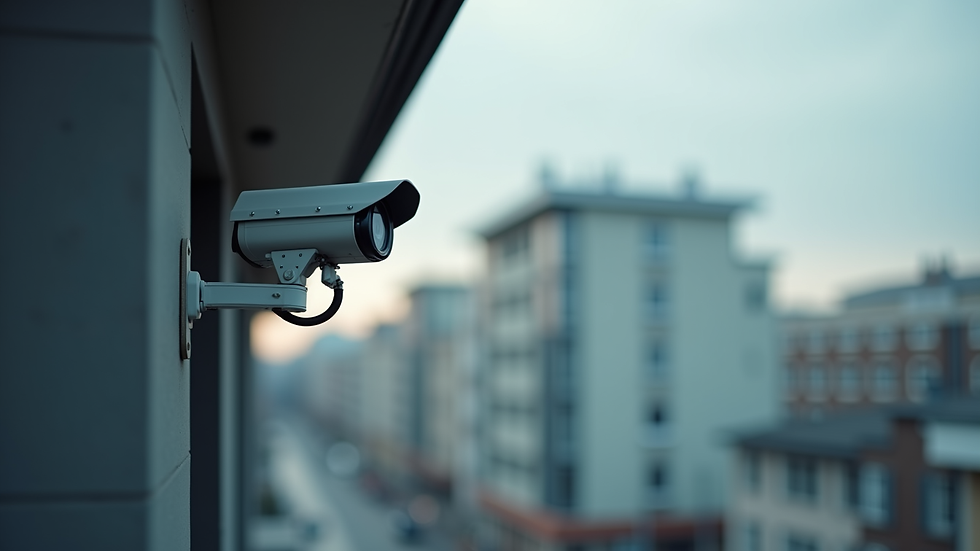
Surveillance cameras are a cornerstone of any security system. They provide real-time monitoring and can deter criminal activity. Modern cameras come equipped with features such as:
High-definition video quality
Night vision capabilities
Remote access via mobile devices
These features allow businesses to monitor their premises from anywhere, ensuring peace of mind.
Access Control Systems
Access control systems regulate who can enter specific areas of your business. These systems can include:
Keycard entry
Biometric scanners
Mobile access solutions
By implementing an access control system, businesses can restrict access to sensitive areas, reducing the risk of unauthorized entry.
Intrusion Detection Systems
Intrusion detection systems are designed to detect unauthorized access to your premises. These systems can include:
Motion sensors
Glass break detectors
Door and window sensors
When an intrusion is detected, the system can trigger alarms and notify security personnel, allowing for a rapid response.
Alarm Systems
Alarm systems serve as a deterrent to potential intruders. They can be integrated with other security components to provide a comprehensive solution. Key features include:
Audible alarms
Silent alarms for discreet alerts
Integration with emergency services
A well-designed alarm system can significantly reduce the likelihood of theft or vandalism.
Cybersecurity Measures
In an increasingly digital world, cybersecurity is a critical component of business security. Integrated systems can include:
Firewalls
Intrusion detection software
Data encryption
By protecting sensitive information and systems from cyber threats, businesses can safeguard their operations and reputation.
Implementing an Integrated Security System
Implementing an integrated security system requires careful planning and execution. Here are some steps to guide you through the process:
Assess Your Security Needs
Begin by conducting a thorough assessment of your current security measures. Identify vulnerabilities and areas that require improvement. Consider factors such as:
The size of your premises
The nature of your business
The types of assets you need to protect
Choose the Right Components
Based on your assessment, select the components that best meet your security needs. Consider factors such as:
Compatibility with existing systems
Scalability for future growth
Budget constraints
Work with a Professional
Engaging a security professional can help ensure that your integrated system is designed and installed correctly. They can provide valuable insights and recommendations based on industry best practices.
Train Your Staff
Once your integrated system is in place, it is essential to train your staff on how to use it effectively. Provide training on:
Operating surveillance cameras
Responding to alarms
Managing access control systems
Regular Maintenance and Updates
To keep your integrated security system functioning optimally, schedule regular maintenance and updates. This includes:
Testing alarm systems
Updating software and firmware
Reviewing access permissions
Real-World Examples of Integrated Security Systems
To illustrate the effectiveness of integrated security systems, let's look at a few real-world examples.
Retail Store Security
A large retail chain implemented an integrated security system that combined surveillance cameras, access control, and alarm systems. By doing so, they reduced theft by 30% within the first year. The centralized monitoring allowed security personnel to respond quickly to incidents, leading to a safer shopping environment.
Corporate Office Security
A corporate office adopted an integrated security system that included biometric access control and surveillance cameras. This system not only improved security but also streamlined employee access. The company reported a 25% decrease in unauthorized access attempts, enhancing overall safety.
Warehouse Security
A logistics company integrated motion sensors, surveillance cameras, and alarm systems in their warehouse. This comprehensive approach led to a significant reduction in theft and damage to inventory. The company also benefited from improved data analytics, allowing them to optimize their security measures further.
Conclusion
Enhancing your business security with integrated systems is a proactive approach to safeguarding your assets. By understanding the key components and benefits of these systems, you can create a robust security strategy tailored to your needs.
Investing in integrated security not only protects your business but also fosters a sense of safety for employees and customers alike. As threats continue to evolve, staying ahead with a comprehensive security solution is essential. Take the first step today by assessing your current security measures and exploring integrated options that can provide peace of mind for your business.
Comments